
The National Disability Insurance Scheme (NDIS) is designed to put you at the centre of your care, giving you the freedom to choose not only who supports you, but also how you receive that support.
While face-to-face services have traditionally been the norm, today’s NDIS participants have more options than ever before. Care is no longer one-size-fits-all, and flexibility and accessibility now play a bigger role in how supports are delivered.
With mobile services bringing care directly to your door and telehealth making it possible to connect from the comfort of practically anywhere, NDIS participants can choose services that truly fit into their everyday lives.
But with more choice comes an important question: which option is right for you? Understanding the difference between these service types can make it easier to find the support that suits your schedule, preferences, and individual needs. Let’s take a closer look:
| Key Takeaways 1. NDIS participants now have more choice in how they receive supports, including mobile (in-person), telehealth (remote), or a hybrid mix. 2. Mobile services are best for hands-on therapy, physical support, and environmental assessments, especially when mobility is limited. 3. Telehealth is ideal for remote locations, travel challenges, or flexible scheduling, offering access to specialist care from anywhere with internet access. 4. Telehealth and mobile services are funded at the same hourly rate under NDIS, but telehealth can stretch your budget further since there are no travel costs. 5. Telehealth works through secure video calls or phone calls, making it easy to stay consistent with therapy. 6. Hybrid models often deliver the best outcomes, combining in-person sessions for complex needs and telehealth for follow-ups and coaching. 7. Choosing the right option depends on your goals, lifestyle, comfort with technology, and support needs, not just convenience. |
Why Mobile & Telehealth Are Gaining Popularity
While technology continues to evolve, mobile and telehealth services are becoming increasingly popular with NDIS participants, and it’s easy to see why. These options offer something many people value deeply: convenience, flexibility, and greater control over how supports fit into everyday life.
- Telehealth removes distance as a barrier, making it easier to connect with therapists and specialists no matter where you live. For many participants, this means fewer missed appointments, less time spent travelling, and even lower out-of-pocket costs without compromising on receiving high-quality care.
- Mobile health services offer a different kind of convenience by bringing support directly to you. Having therapists visit your home or community allows them to see your real-world environment, which can lead to more practical, personalised support.
The shift toward these flexible options accelerated during COVID-19. To ensure continuity of care, the NDIS quickly introduced and expanded options such as remote planning meetings, telehealth therapy sessions, and phone or video-based plan assessments.
Many participants found these changes worked well. A large number reported positive experiences with telehealth and said they would be happy to continue using phone or video appointments in the future. This period showed that flexible service delivery can be both effective and empowering.
Many providers now offer hybrid models that combine in-person and virtual services. This approach gives participants the best of both worlds: hands-on, face-to-face support when it’s needed, alongside telehealth check-ins, progress reviews, or guided exercises delivered remotely.
What Are Mobile Services Under NDIS?
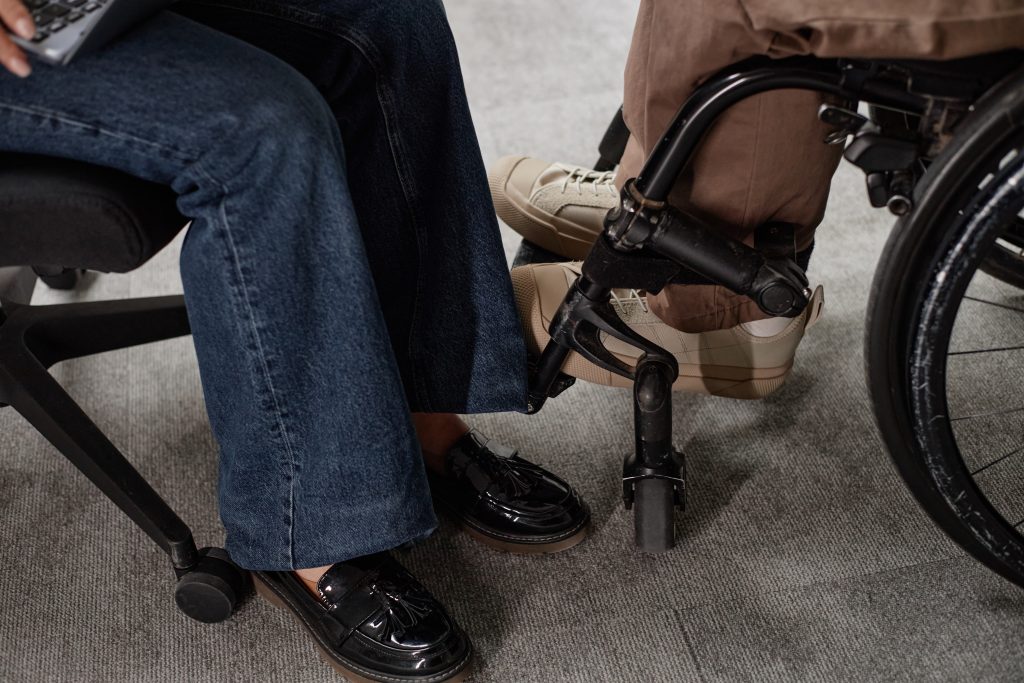
Mobile services under the NDIS bring allied health care and support directly to you, instead of you needing to travel to a clinic. This means therapists and health professionals come to your home, school, workplace, or another familiar place in your community.
- Reduced travel and fatigue: No need to organise transport, manage long travel times, or deal with physical exhaustion before and after appointments.
- Support in familiar environments: Receiving care at home or in the community often feels more comfortable and less overwhelming than visiting a clinic.
- More personalised and practical support: By meeting you in your own environment, therapists can better understand your daily routines, challenges, and goals, allowing support to be more practical and personalised.
- Better skill development: Learning and practising skills where you actually use them helps improve confidence, consistency, and long-term outcomes.
- Improved accessibility: Ideal for participants with mobility challenges, anxiety in unfamiliar settings, or limited access to nearby clinics.
- Stronger continuity of care: Regular visits from the same therapist can help build trust and a stronger therapeutic relationship.
- On-the-Spot Support: Providers bring everything needed for high-quality support, including equipment and resources, so you receive care directly in your own environment without having to travel.
Common Types of Mobile NDIS Services
Depending on your NDIS plan and individual needs, mobile services may include a range of allied health supports, such as:
- Functional Capacity Assessments: Therapists assess your abilities and identify the supports you need to live more independently.
- Occupational Therapy: Support with daily living skills, home modifications, and selecting the right equipment to make everyday tasks easier.
- Counselling and Psychology: Mental health support delivered in your home or community, where you may feel more relaxed and open.
- Physiotherapy and Exercise Physiology: Tailored movement and exercise programs to improve strength, mobility, and confidence.
- Speech Pathology: Support for communication, language, and swallowing, delivered in real-life settings where these skills are used every day.
Who Benefits Most from Mobile Health Services?
Mobile services are a great option for participants who find travel difficult, feel anxious in unfamiliar settings, or live a long distance from therapy clinics. They’re also ideal for people who benefit from having their home or daily environment assessed as part of their support.
What Are Telehealth Services Under NDIS?
Telehealth is a modern way to receive NDIS supports using technology. Instead of travelling to a clinic, you connect with your therapist or allied health provider through video or phone. This means you can access care from the comfort of your home, or wherever you feel most at ease.
| 💡 A study from the University of Melbourne found that 63% of participants successfully switched their NDIS-funded services to remote delivery, showing that telehealth can work effectively for many participants. |
Unlike mobile services, where therapists come to you, telehealth brings the support directly to you through a secure online connection. It’s a flexible option that works well for many participants, especially those who find travel difficult, live far from clinics, or prefer the convenience of remote sessions.
Other benefits include:
- Access to specialist care, no matter your location: Telehealth connects you with therapists and specialists even if they aren’t available locally.
- Saves time and reduces travel stress: You don’t need to travel to a clinic, which can be exhausting or difficult for many participants.
- Lower costs: You spend less on transport and related expenses, allowing your NDIS funding to go further.
- Flexible scheduling: Telehealth appointments can often be booked at times that fit your daily routine.
- Comfort and familiarity: Receiving support from your own home can reduce anxiety and make sessions feel more relaxed.
- Family and carers can be involved more easily: Loved ones can join sessions without needing to travel or rearrange their schedules.
- Supports continuity of care: If you’re travelling or temporarily unable to attend in-person sessions, telehealth keeps your support consistent.
- High participant satisfaction: Many people report telehealth sessions are as effective as, or even better than, in-person appointments.
Who Benefits Most from Telehealth?
Telehealth is especially beneficial for participants who:
- Live in rural or remote areas where specialists are hard to find
- Have difficulty travelling or accessing transport
- Feel anxious about leaving home
- Need flexible scheduling that fits their daily routine
- Want family members or carers involved in sessions

Key Differences Between Mobile and Telehealth Services
| Difference | Mobile Services | Telehealth Services |
| Location & Accessibility | The therapist comes to your home, school, or community. No travel required. Ideal for those with mobility challenges. | Connects you with providers from anywhere with internet access. Great for regional or remote areas. |
| Cost & Funding | May include travel fees depending on the provider. Same NDIS hourly rate. | No travel costs, often more budget-friendly. Same NDIS hourly rate. |
| Personal Interaction | Hands-on support, physical guidance, and environment assessments. | Virtual connection can feel less stressful for people with anxiety or immune system concerns. Environment assessments are possible via video calls. |
| Technology & Equipment | Little to no tech needed from you — the practitioner brings what they need. | Requires a device, internet connection, and basic digital skills. |
| Service Flexibility & Scheduling | Fewer time slots due to travel time between appointments. | More flexible scheduling options since no travel is needed. |
| Best Fit For | Participants who need practical, real-world therapy or in-person support. | Participants who need specialist care, remote access, or flexible scheduling. |
NDIS Funding: How It Works for Mobile vs. Telehealth
When deciding between mobile and telehealth services under the NDIS, understanding how funding works can help you make the most of your plan. Both options are considered valid ways to receive support, but the main difference is how travel, time, and technology costs affect your funding.
Understanding NDIS Plan Categories
Your NDIS plan is made up of three main budget categories:
- Core Supports – Helps with everyday activities and day-to-day living.
- Capacity Building Supports – Helps you develop skills and independence (where most therapy services sit).
- Capital Supports – Covers equipment, home modifications, and assistive technology.
Some therapy supports may also be included under Core, depending on the service. Additionally, the NDIS’ newer system may show a fourth budget category called “Recurring”, which reflects ongoing supports.
What NDIS Typically Funds for Mobile Services
Mobile services are fully funded by the NDIS, either through Core or Capacity Building budgets, depending on the support type. Common mobile therapy supports often appear under categories such as Improved Daily Living or Health and Well-being.
Because mobile services require travel, providers may charge additional travel fees on top of their service time. These travel costs are usually deducted from your NDIS budget.
Mobile Services Typically Include:
- Occupational therapy
- Physiotherapy
- Speech pathology
- Exercise physiology
- Positive behaviour support
Best for:
Participants who need hands-on therapy, environment-based support, or have limited access to technology.
What NDIS Typically Funds for Telehealth Services
Telehealth services are funded at the same hourly rate as face-to-face appointments, but without travel costs. This often means your funding goes further because more of your budget is spent on direct service time.
Telehealth are funded under the same categories as mobile therapy, such as:
- Improved Daily Living (for therapy and skill development)
- Health and Wellbeing (for exercise physiology and health supports)
Telehealth is often a great fit for:
- People in regional or remote areas
- Participants who find travel difficult or stressful
- Those who prefer remote support
- Individuals who need flexible scheduling
Technology Funding for Telehealth
If you need a device to access telehealth, you may be able to use your NDIS funding for assistive technology (AT). In many cases, participants can use funding from their Core – Consumables budget for low-cost devices such as tablets or laptops.
How to Include Telehealth or Mobile Services in Your Plan
The easiest way to add either service type is to talk with your NDIS planner or support coordinator. Let them know your preferred method and explain how it aligns with your goals.
For telehealth, some providers may provide reasoning as to why remote delivery is the best option for you. This can help the NDIS approve telehealth as a reasonable and necessary support.
The good news is that the NDIS now recognises both mobile and telehealth as valid delivery methods, giving you more choice and control over your supports.
Read More: How to Access NDIS Services Effectively

Final Checklist: Choosing the Best Fit for You
Choosing between mobile therapy and telehealth services under the NDIS is a personal decision…and there’s no one-size-fits-all answer! The best option is the one that fits your goals, your lifestyle, and the way you feel most supported. Use this checklist to guide your decision and feel confident in your choice.
1. Assess Your Needs and Goals
Start by thinking about what you want to achieve and what type of support you need to get there.
Ask yourself:
- Do my goals require hands-on guidance or physical support?
- Would I benefit from my therapist observing my home environment?
- Can I make progress through virtual sessions, or do I need in-person coaching?
Mobile therapy is often best when you need practical, real-world support whereas telehealth can be ideal when your goals involve coaching, counselling, skill-building, or ongoing check-ins.
2. Match Your Support Type to Your Lifestyle
Your daily life and routine play a big role in what type of support will work best for you. Think about what your week looks like, how you travel, and where you feel most comfortable receiving support.
- Telehealth works well if travel is difficult, you live far from clinics, or you prefer the convenience of attending sessions from home. It also suits those who need flexible appointment times or feel more comfortable in familiar surroundings.
- Mobile services are best if you need hands-on support, in-person coaching, or therapy that involves your home, school, or workplace environment. They’re also ideal if technology is a barrier or virtual sessions feel challenging.
3. Consider Your Comfort with Technology
Telehealth can be a fantastic option, but it relies on technology. If you’re comfortable using devices and online platforms, telehealth may be a great fit. If not, mobile services might be a better choice.
To use telehealth successfully, you generally need:
- A smartphone, tablet, or computer
- Reliable internet connection
- Basic digital skills (like joining a video call)
- A quiet, private space to talk openly
If you’re unsure, you can always start with a trial session and see how it feels. Many providers also offer tech support to help you get started.
4. Confirm Funding and Service Availability
Both mobile and telehealth services are funded under the NDIS at the same hourly rate. The main difference is that telehealth removes travel costs, which often means more of your budget goes directly into therapy time.
Before deciding, confirm:
- Does your plan cover the type of therapy you need?
- Does your provider offer mobile or telehealth delivery?
- Is your provider experienced with NDIS telehealth or mobile services?
If you’re unsure, your support coordinator or planner can help you clarify what’s included in your plan
5. Consider a Hybrid Model
Many participants find the best results come from a hybrid approach; a mix of mobile and telehealth services. This model combines the benefits of both delivery methods, allowing you to receive hands-on support when needed while keeping care convenient and accessible:
A hybrid model can look like this:
- In-person sessions for complex needs or hands-on therapy
- Telehealth check-ins for progress updates, coaching, or follow-ups
- Virtual sessions for convenient ongoing support
- In-person visits when environment-based assessments are needed
A hybrid approach gives you the flexibility to choose what works best for each stage of your support journey, without sacrificing the quality or consistency of care.
6. Make the Choice That Supports Your Independence
The NDIS is built on the principle of choice and control. This means you have the right to choose how your supports are delivered, based on what works best for your life.
Whether you choose mobile therapy, telehealth, or a hybrid approach, the most important thing is that your support:
- Helps you work toward your goals
- Fits your lifestyle and daily routine
- Supports your independence
- Makes you feel comfortable and confident
Your Therapy, Your Way With Health Journey Partner
At Health Journey Partner, we make accessing NDIS-funded allied health services simple, flexible, and tailored to you. Whether you prefer in-person support or remote care, our experienced, registered professionals are here to help you reach your goals.
We provide NDIS telehealth and mobile therapy across Sydney and surrounds, bringing qualified clinicians directly to your home, school, or community. This means you can receive support in the environment where you live and learn best, without the stress of travel or transport.
If you prefer remote sessions or live outside Sydney, our telehealth services make it easy to access the care you need. We provide secure, encrypted video sessions across Australia so you can stay connected with your therapist no matter where you are.
Ready to start your care journey?
Choosing the Right Support for You
Today, many NDIS participants have benefitted from having more choice and flexibility in how they receive therapy. Mobile, telehealth and even hybrid services now offer strong ways to access your NDIS supports, and the best option depends on your goals, lifestyle, and personal needs.
The most important thing is choosing the option that supports your goals and feels right for your situation. If you’re unsure which delivery method will work best, our team can help you explore the options and design a plan that meets your needs.