

For many Australians living with disability, accessing the right care can make a world of difference. The National Disability Insurance Scheme (NDIS) has opened up new opportunities for individuals and families to access essential supports.
But, even with these improvements, practical challenges still exist.
For many people, getting to appointments isn’t always easy. Travel requirements, disrupted routines, mobility limitations, and the stress of unfamiliar environments can turn what should be a straightforward therapy session into an exhausting experience.
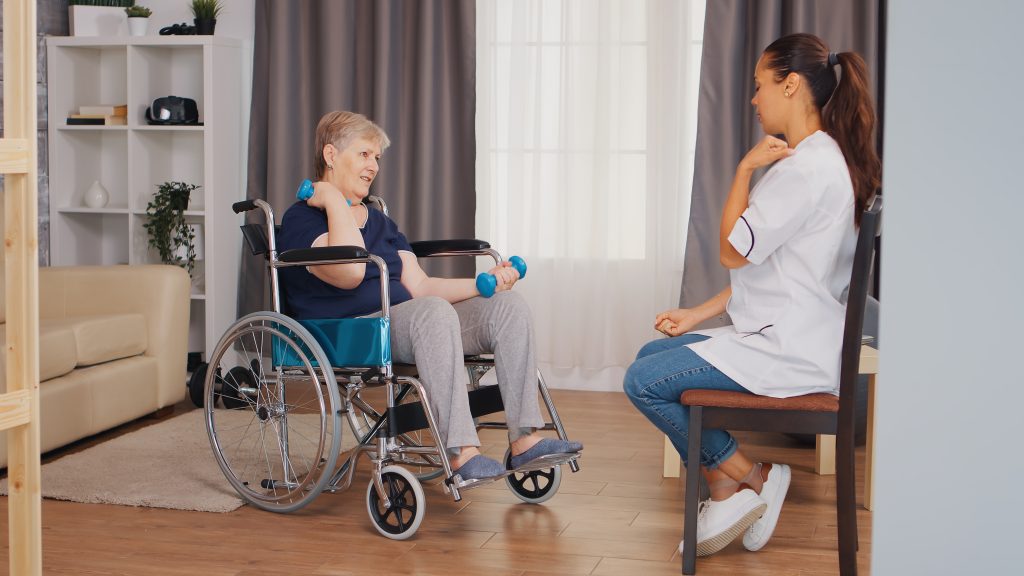
That’s where mobile and in-home NDIS care comes in. By bringing therapeutic and support services like psychology, physiotherapy, speech pathology and occupational therapy directly to a participant’s home or community setting, mobile care removes many of the barriers that make access difficult.
In this post, we’ll explore how mobile NDIS care works, why it’s becoming an increasingly valuable option for participants and families, and how receiving support in familiar surroundings can lead to more positive, sustainable outcomes.
Key Takeaways
- Mobile NDIS care brings allied health services to you: Qualified therapists deliver physiotherapy, OT, psychology, speech pathology, and more directly to your home or community.
- It removes major access barriers: Transport difficulties, clinic-based anxiety, scheduling conflicts, and disrupted routines are common challenges that mobile care addresses.
- Therapy in familiar surroundings improves outcomes: Participants tend to feel calmer, engage more fully, and practise real-life skills in the environment where they actually live.
- It benefits families and carers too: Less coordination stress, more transparency into therapy sessions, and greater peace of mind that care is consistent.
- Mobile care is funded through existing NDIS budgets: Typically under Improved Daily Living or Health and Wellbeing categories, with potential travel costs to discuss with your provider.
- A hybrid model (mobile + telehealth) can maximise value: Combining in-person visits with virtual check-ins offers flexibility and helps manage plan budgets.
- Choosing the right provider matters: Look for qualifications, reliability, clear communication, NDIS compliance, and cultural understanding.
The Challenges with Traditional NDIS Therapy
While the NDIS is designed to improve access to essential supports, many participants and families still face real barriers when it comes to attending traditional clinic-based therapy. In theory, the services are available, but in reality, getting there consistently isn’t always easy.
Transport and Travel Limitations
One of the most common challenges is simply getting to appointments. Many participants rely on carers, family members, or support workers for transport, and not everyone has access to a reliable vehicle or suitable transport options. For those living in regional or remote areas, the closest allied health clinic may be a long distance away, turning a short session into a time-consuming and exhausting trip.
This can lead to missed appointments, inconsistent therapy, and unnecessary stress for both participants and their support networks.
Clinic-Based Anxiety and Discomfort
For many participants, attending therapy in an unfamiliar environment can feel overwhelming. Busy waiting rooms, bright lights, noise, unfamiliar faces, and changes to routine can create anxiety, especially for individuals with sensory sensitivities or neurodivergent needs.
When a participant feels uncomfortable or distressed, it becomes harder to engage fully in therapy sessions, which can impact progress over time. In some cases, the anxiety around clinic visits may even prevent participants from attending altogether.
Scheduling Conflicts for Carers and Families
Even when transport and comfort aren’t major issues, clinic-based therapy still requires families and carers to fit appointments into already busy schedules. Between work commitments, medical appointments, and day-to-day responsibilities, attending regular therapy sessions can quickly become difficult to manage.
For many households, the ongoing time demands of travel and appointments can create pressure and burnout, making consistent therapy harder to maintain long-term.

What is Mobile NDIS Care? (And How Does It Work?)
While clinic-based therapy is still valuable, mobile NDIS care offers a more flexible and personalised experience.
Mobile NDIS care involves qualified allied health professionals travelling to your preferred location. This may include your home, school, workplace, or even a community setting—depending on your goals and support needs. Therapists arrive with the necessary equipment, tools, and resources needed to provide effective treatment, just as they would in a clinic setting.
By delivering therapy in familiar surroundings, mobile services remove many of the barriers that can prevent people from accessing consistent care. It also allows therapy to feel more natural and less stressful.
Common At-Home & Mobile NDIS Healthcare Services
Mobile and NDIS care at home care can include a wide range of supports, including:
1. Functional Capacity Assessments (FCAs)
Functional Capacity Assessments are one of the most important services delivered under the NDIS. An FCA is a detailed assessment that evaluates a participant’s current abilities, daily challenges, and support needs.
When completed in your home or community environment, the assessment becomes even more accurate, as the therapist can observe how you move, communicate, and manage tasks in real-life situations. These assessments are often used to support NDIS planning meetings, reviews, and funding requests, helping ensure you receive the right level of support to live safely and independently.
2. Psychology and Counselling Services
Mental health and emotional well-being play a vital role in the overall quality of life. Mobile psychology and counselling services allow participants to access professional support in a space where they feel calm and safe.
For individuals who experience anxiety, trauma, social discomfort, or difficulty in unfamiliar environments, receiving therapy at home can make sessions feel far less overwhelming. Mobile counselling can support participants with stress management, emotional regulation, confidence building, behavioural strategies, and coping skills, helping them feel more supported and empowered in everyday life.
3. Occupational Therapy (OT)
Occupational therapy is another valuable service available through mobile NDIS care because it focuses on improving independence in day-to-day living.
Mobile occupational therapists can assist with:
- building life skills such as dressing, cooking, and personal care
- improving home safety and accessibility
- recommending assistive technology and equipment
- completing home modification assessments
- supporting sensory needs and routines
- developing strategies for school, work, and community participation
Because OT often involves working directly within the participant’s home environment, mobile sessions are incredibly practical and can be tailored to real-life challenges.
4. Physiotherapy
Mobile physiotherapy provides hands-on physical support that can help participants improve movement, strength, balance, flexibility, and overall function.
This service is particularly helpful for participants managing mobility limitations, chronic pain, injuries, neurological conditions, or physical disabilities. In-home physiotherapy sessions may include guided exercises, mobility training, posture support, pain management strategies, and rehabilitation programs designed to improve confidence and reduce the risk of falls.
By receiving physiotherapy at home, participants can practise movement in the exact environment they navigate every day, making the support more relevant and effective.
5. Exercise Physiology
Exercise physiology focuses on improving physical health through tailored movement programs, with an emphasis on long-term strength, endurance, and functional wellbeing.
Mobile exercise physiologists design individual programs that may support:
- mobility improvement
- cardiovascular fitness
- rehabilitation after injury or surgery
- managing chronic conditions
- building strength and coordination
- reducing fatigue and improving energy levels
Sessions can be completed in the home or community setting and are designed to be achievable, safe, and aligned with the participant’s goals, helping participants stay active and improve quality of life at their own pace.
6. Speech Pathology
Speech pathology goes beyond speech alone. It supports communication, language development, social interaction, and swallowing safety.
Mobile speech pathology services can assist participants with:
- speech clarity and pronunciation
- expressive and receptive language skills
- social communication and confidence
- alternative communication methods (AAC devices and strategies)
- swallowing assessments and mealtime management plans
Delivered at home, speech pathology can also promote more natural learning and family involvement. For adults, it can help strengthen communication skills and improve independence in everyday conversations and community participation.

Why Mobile Care is Growing in Popularity Under the NDIS
Mobile NDIS care has become increasingly popular in recent years. As the NDIS continues to evolve, there has been a clear shift toward more flexible, personalised, and participant-led support models. For many Australians living with disabilities, mobile care offers a practical solution to challenges that traditional clinic-based services simply can’t address.
The Shift Towards Participant Choice and Control
Participants should have genuine choice and control over their supports. That includes not only what services they access, but also how, when, and where those supports are delivered.
Mobile NDIS care gives participants greater flexibility by allowing therapy and support services to happen in a way that suits their lifestyle, comfort levels, and personal circumstances. Rather than being locked into rigid clinic schedules or limited service models, participants can choose a more adaptable approach that supports their independence.
For many people, this means:
- Choosing providers who can meet them in their preferred environment
- Reducing reliance on transport or others to attend appointments
- Receiving care that works around family routines, school, or work commitments
- Using NDIS funding in a way that feels more practical and meaningful
As more participants experience the benefits of flexible service delivery, mobile care continues to gain momentum as a support model that truly respects individual choice.
Increased Accessibility in Regional and Rural Areas
One of the biggest reasons mobile NDIS care is growing is that it improves access, particularly for participants living in regional, rural, or remote areas.
Although the NDIS was created to support all eligible Australians regardless of location, access to allied health services is still limited in many parts of the country. In smaller communities, there may be long waitlists, fewer qualified therapists, and significant travel distances involved just to attend an appointment. For rural participants in particular, mobile care can mean the difference between receiving regular therapy or going without support altogether.
Supporting an Ageing and Higher-Needs Participant Base
The NDIS is also supporting a participant base with increasingly complex and higher support needs. Many participants require regular, specialised services and may experience mobility limitations, chronic health conditions, or disabilities that make travel extremely difficult.
For these individuals, clinic-based appointments can feel unrealistic, not just inconvenient. Even short trips can cause fatigue, pain, anxiety, or significant disruption to daily routines.
Mobile NDIS care helps meet these evolving needs by bringing qualified professionals directly to the participant. This is especially valuable for people who need ongoing therapy, regular monitoring, or more hands-on support, as it reduces stress while allowing therapists to assess real-world environments and provide practical recommendations.
How Mobile NDIS Care Benefits Participants, Families, and Health Outcomes
Mobile NDIS care is a highly effective, person-centred approach that supports real independence, better health outcomes, and a stronger quality of life for participants and their families.
Key Benefits of Mobile NDIS Care for Participants
- Comfort and Familiarity: Care in a Safe Space: Receiving therapy at home allows participants to feel calmer, more relaxed, and more in control. This is especially beneficial for individuals with anxiety, autism, sensory sensitivities, or cognitive challenges, where unfamiliar environments can create distress. Familiar surroundings can also improve communication and participation, helping therapists deliver more accurate assessments and more meaningful support.
- Less Travel = Less Fatigue: Travelling to appointments can be exhausting for many NDIS participants, particularly those with limited mobility, chronic fatigue, pain conditions, or complex needs. Mobile care removes the stress of transport logistics, parking, long waits, and inaccessible spaces. By eliminating travel, participants can save energy for therapy itself, making sessions more productive and easier to maintain consistently.
- Greater Independence and Confidence: Mobile care supports real-life skill building because therapy happens in the participant’s everyday environment. This allows therapists to tailor strategies to what matters most, such as safe transfers, mobility around the home, falls prevention, and daily routines like showering or meal preparation. The result is practical progress that directly improves independence and confidence where it counts most.
- Flexible Scheduling That Fits Real Life: Mobile NDIS care is designed to work around the participant’s routine rather than forcing them into clinic availability. This flexibility helps reduce missed appointments and allows therapy to take place when the participant is most alert and comfortable. For families and carers, it also makes ongoing therapy far easier to manage alongside work, school, and everyday responsibilities.
- Better Continuity of Care: Consistent visits from the same therapist can build stronger relationships, better trust, and more personalised care over time. Mobile care also encourages collaboration, as therapists can directly involve carers or support workers and provide strategies that can be reinforced between sessions. This creates a more connected support network and helps participants achieve longer-lasting outcomes.
Benefits of Mobile NDIS Care for Families and Carers
- Less Pressure on Families to Coordinate Transport: Transport is one of the biggest ongoing pressures for families and carers, often requiring time off work, careful scheduling, and coordination across multiple appointments. Mobile care removes much of that burden by bringing services directly to the participant. This makes therapy more accessible while reducing stress and logistical strain for the entire household.
- More Transparency and Communication: When therapy happens at home, carers can gain a clearer understanding of the participant’s goals, progress, and strategies being used. This often leads to stronger communication between families and providers and helps ensure everyone is working toward the same outcomes. It also makes it easier for carers to ask questions, stay informed, and support progress outside of sessions.
- Peace of Mind: For families, this often reduces day-to-day stress and helps them focus less on logistics and more on wellbeing. Knowing care is consistent and accessible can be a major relief, especially for participants with higher support needs.
How Mobile NDIS Care Improves Health Outcomes
- Early Intervention and Faster Support Access: Mobile care can make it easier for participants to access support sooner. This is especially important for early intervention, where timely therapy can significantly improve long-term outcomes. When services are easier to attend consistently, participants are more likely to stay engaged and make steady progress.
- Personalised Care Plans Delivered in Real Environments: Therapy delivered in the home allows clinicians to create support plans that are truly tailored to the participant’s everyday life. Therapists can observe routines, identify real barriers, and recommend practical strategies that work in the participant’s own environment. This makes interventions more relevant, achievable, and effective over the long term.
- Reduced Hospital Visits and Emergency Escalations: Consistent mobile support can help prevent small concerns from becoming major issues by allowing early monitoring and ongoing intervention. This is particularly valuable for participants with complex needs, where disruptions to care can lead to preventable hospital visits. Mobile services also support smoother transitions after hospital discharge by ensuring participants have the right supports in place at home.
- Improved Mental Health Through Reduced Isolation: Mobile NDIS care helps reduce barriers that often lead to missed appointments and long periods without support, which can contribute to isolation. Receiving care in a familiar environment can ease anxiety and improve emotional well-being, especially for participants who struggle in clinical settings. Regular visits also create routine, connection, and reassurance, supporting both mental health and overall quality of life.
Funding Mobile NDIS Care: How It Works
Mobile NDIS care is funded in much the same way as traditional clinic-based services, using a participant’s existing NDIS budget. In most cases, mobile therapy sessions are charged at the same rate as in-clinic appointments, but the key difference is that providers may also include travel costs due to the nature of delivering support in-home or out in the community.
Funding typically comes from:
- Improved Daily Living (Capacity Building): commonly used for services such as occupational therapy, speech pathology, psychology, physiotherapy, counselling, and other allied health supports focused on building skills and independence.
- Health and Wellbeing (Capacity Building): often covers exercise physiology supports aimed at improving movement, mobility, strength, and physical wellbeing.
- Assistance with Daily Life (Core Supports): typically used for support workers and in-home assistance with everyday tasks such as personal care, meal preparation, and household activities.
In many cases, participants may also use a combination of categories depending on their needs, goals, and plan structure.
Travel Costs: What to Expect
Because mobile NDIS care involves travel, providers may charge additional travel fees on top of the time spent delivering the service. These travel costs are deducted from the participant’s NDIS budget and can vary depending on distance, provider policies, and location.
It’s always recommended to ask your provider upfront how travel is calculated, what the cost may be, and whether travel time is billed separately from the session itself, especially for participants living in regional or outer metropolitan areas.
Mobile Care and Telehealth: A Flexible Hybrid Option
Many NDIS participants choose a blended approach by combining mobile services with telehealth. This hybrid model offers the best of both worlds, hands-on, in-person support when needed, along with convenient video or phone check-ins for progress reviews, therapy guidance, or ongoing support between sessions. This can also be a cost-effective way to manage budgets while maintaining consistent care.
Key Funding Requirements Under the NDIS
As all NDIS supports, mobile care must meet the “reasonable and necessary” criteria. This means the service must:
- be related to the participant’s disability
- support the participant to achieve their goals
- improve independence or wellbeing
- represent value for money compared to alternatives
If mobile support helps remove access barriers and improves therapy consistency, it can often be strongly justified under this framework.
How to Access Funding for Mobile NDIS Services
If mobile care is important for your wellbeing or accessibility, it’s worth discussing it during your NDIS planning meeting or plan reassessment. Many participants receive approval for in-home services when they can demonstrate that clinic-based therapy is difficult to access due to mobility challenges, fatigue, behavioural needs, or transport limitations.
To support your request, it can help to:
- Speak with your NDIS planner or support coordinator
- Provide evidence from a GP or allied health professional outlining why in-home services are needed
- Include reports or assessments showing how mobile therapy supports your goals
In some cases, if specialised equipment or major home modifications are required, a formal quote may also be needed for approval.

What to Look for in a Mobile NDIS Provider
Choosing the right mobile NDIS provider is an important step in ensuring you receive safe, consistent, and genuinely supportive care. Here are the key qualities to look for when selecting a mobile NDIS provider:
- Qualifications and Experience: Look for providers with qualified, well-trained professionals who have experience supporting your specific needs. Beyond formal qualifications, compassion and the ability to build rapport are just as important. Strong providers carefully match staff to participants based on skills, personality, and care requirements.
- Reliability and Consistency: A quality provider should work around your schedule and regularly review your supports to ensure they still align with your goals. Consistency matters; seeing the same therapists or support workers helps build trust and leads to better, more personalised care over time.
- Communication and Professionalism: Clear, respectful communication is essential. Providers should offer flexible ways to stay in touch, explain options without pressure, and welcome the involvement of family members or carers when appropriate.
- Safety, Compliance, and Risk Management: Your provider should fully comply with NDIS standards and the NDIS Code of Conduct. This includes clear systems for staff supervision, incident management, complaints handling, and ethical billing practices that prioritise participant safety and transparency.
- Flexibility and Cultural Understanding: The right provider respects your background, values, and communication preferences. Culturally safe care means feeling heard, understood, and supported in a way that aligns with who you are, not just what’s written in your plan.
As a registered NDIS provider in Sydney, Health Journey Partner believes that quality healthcare should feel accessible, respectful, and genuinely human. That’s why we bring our support to you, offering high-quality mobile NDIS care designed to where you feel most comfortable. At home, in the community or online.
Our experienced team looks beyond symptoms or appointments. We focus on education, empowerment, and real connection taking the time to understand your goals, your challenges, and what matters most to you. We ensure you feel heard, understood, and confident in the care you’re receiving.
Why Mobile NDIS Care is One of the Most Participant-Friendly Support Models
Mobile NDIS care is one of the most participant-friendly support models because it brings essential services to where you feel safest and most supported: your own home or community. Instead of battling transport, fatigue, or stressful clinic visits, you can access therapy in a space that feels familiar, calm, and comfortable, making it easier to stay consistent and focused on your goals.
More than just convenient, mobile care often leads to stronger outcomes where therapists can tailor strategies to your daily routines, helping you build practical skills that improve independence and quality of life. For families and carers, it also eases the emotional and logistical load, offering reassurance that support is reliable, accessible, and truly centred around the participant.
As a registered NDIS provider in Sydney and surrounds, Health Journey Partner is committed to delivering care that is compassionate, professional, and genuinely person-centred. We offer high-quality mobile and telehealth services designed to support you wherever you are. If you’re ready for NDIS support that fits your life, not the other way around, reach out to our team today!