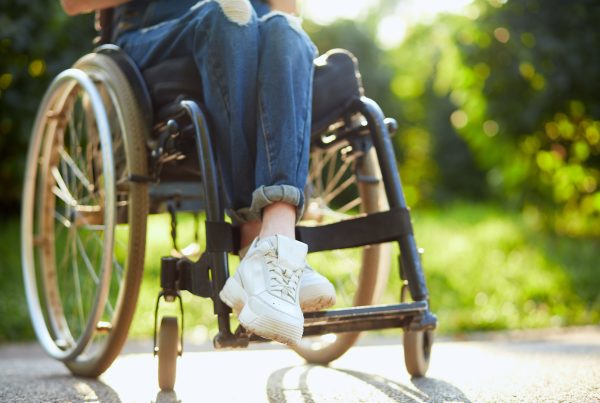

For many Australians living with disability, staying active and looking after physical health can feel like an uphill battle. Between managing appointments, navigating daily challenges, and accessing the right support, exercise quickly slips to the bottom of the list.
But, movement matters. It is a powerful tool for improving strength, mobility, and overall well-being, while also supporting greater independence in everyday life. Even small, consistent changes in physical activity can make a meaningful difference in how people move, feel, and engage with the world around them.
And, with the right support, it can become one of the most empowering parts of your day-to-day life.
That’s where NDIS exercise physiology comes in. Whether you’re looking to build strength, improve your mobility, manage a chronic condition, or simply feel more confident in your body, an accredited exercise physiologist can help you get there, one step at a time.
In this guide, we’ll walk you through everything you need to know about exercise physiology under the NDIS. From understanding what it is and how it’s funded, to what your first appointment looks like and how it can support your long-term goals, we’ve got you covered.
Key Takeaways
- Exercise physiology is a clinical allied health service that uses tailored movement and exercise programs to support people living with disability, chronic conditions, and injuries.
- Accredited exercise physiologists (AEPs) are university-qualified, ESSA-accredited professionals and are different from physiotherapists and personal trainers.
- NDIS exercise physiology is typically funded under Capacity Building: Improved Daily Living or Improved Health and Wellbeing.
- Exercise physiology can improve mobility, strength, balance, mental wellbeing, and long-term independence for NDIS participants.
- A wide range of conditions benefit from exercise physiology, including neurological conditions, physical disabilities, intellectual disabilities, and chronic health conditions.
- Your first appointment will include a health history review, functional assessments, goal setting, and the development of a personalised exercise plan.
- Health Journey Partner delivers mobile and telehealth NDIS exercise physiology across Sydney and beyond, with a dedicated point of contact and fast response times.
What Is Exercise Physiology?
Exercise physiology is an allied health service that focuses on using movement and exercise as medicine. Rather than a one-size-fits-all workout plan, it involves carefully prescribed exercise programs designed to support people living with disability, chronic health conditions, injuries, or complex medical needs.
Accredited Exercise Physiologists (AEPs) are university-qualified health professionals who specialise in creating evidence-based exercise programs that improve strength, mobility, and overall health. Their role is not simply to help people become more active, but to use movement in a safe, structured way that supports long-term wellbeing and functional independence.
💡In Australia, AEPs are accredited through Exercise and Sports Science Australia (ESSA), the national accreditation body for exercise and sports science professionals.
The Science Behind Movement, Rehabilitation, and Performance
At its core, exercise physiology is grounded in the science of how the body responds and adapts to physical activity. Every person’s body is different, and exercise physiologists take the time to understand how a participant’s condition, abilities, and goals all interact.
This approach means exercise programs are carefully tailored, not generic. The aim is to improve function in a way that is safe, achievable, and meaningful for the individual.
For NDIS participants, this might involve:
- Building strength to make everyday movements easier
- Improving balance and coordination to reduce the risk of falls
- Supporting recovery after an injury or neurological event
- Managing the physical effects of chronic health conditions
- Each program is developed using clinical evidence and is adjusted over time as progress is made
How Does Exercise Physiology Differ From Physiotherapy and Personal Training?
Many people wonder how exercise physiology is different from physiotherapy or personal training. While all three involve movement and exercise, they focus on different areas of health.
- Physiotherapists mainly treat injuries, pain, and physical problems in the body. In addition to prescribing exercises for neurological conditions or recovery from injury or surgery, they may also provide hands-on treatments such as massage, joint mobilisation, or dry needling when appropriate.
- Personal trainers focus on general fitness. They typically help people improve strength, lose weight, or build endurance through gym-based workouts and training programs.
- Exercise physiologists specialise in using exercise to support people living with chronic conditions, disabilities, or complex health needs. Their programs are designed to improve how the body functions in everyday life, helping with things like mobility, strength, balance, and independence.
What Does an Accredited Exercise Physiologist Do?
An Accredited Exercise Physiologist (AEP) does much more than simply prescribe exercises. They take a personalised, whole-person approach to health, working with you to build a program that supports your goals, abilities, and daily life.
- Assessing Functional Capacity and Physical Limitations: Your AEP will start by understanding your current physical abilities, medical history, and any challenges you face. They will also look at how your disability affects everyday activities. This assessment helps form the foundation of your exercise program.
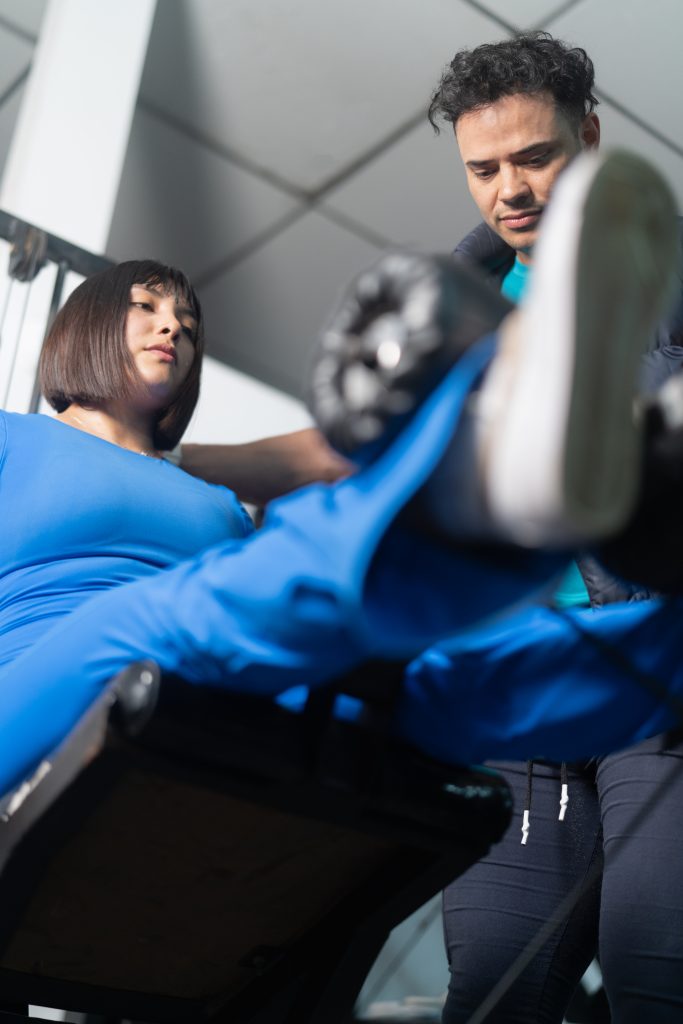
- Designing Personalised Exercise Programs: Based on this assessment, your AEP will create a tailored exercise plan designed around your needs and goals. Programs are adapted to suit your abilities and environment, whether that’s at home, outdoors, or in a gym.
- Monitoring Progress and Adjusting Your Program: As you progress, your AEP will regularly review and adjust your exercises. This ensures your program continues to challenge you safely and supports ongoing improvement.
- Supporting Long-Term Health and Independence: Beyond exercise, AEPs provide guidance on managing your condition and staying active over the long term, helping you build the confidence and skills needed to maintain your health and independence.

How Exercise Physiology Supports NDIS Participants
For many NDIS participants, exercise physiology offers benefits that go far beyond improving fitness. When guided by a qualified professional who understands disability and the NDIS framework, structured exercise can support greater confidence, independence, and overall quality of life.
- Improving Mobility and Functional Strength: Everyday movements can be challenging when you have a disability. A personalised exercise program helps build the strength and skills you need for simple daily tasks, like standing up from a chair, walking to the letterbox, or carrying groceries. Over time, these small improvements can make life feel a little easier and a lot more manageable.
- Enhancing Balance and Reducing Falls Risk: Falls can be a real concern, especially for those with mobility or neurological conditions. Targeted exercises for balance, coordination, and lower-body strength can help you feel steadier on your feet, safer at home, and more confident getting around in your community.
- Building Confidence in Daily Activities: As your strength and mobility improve, so does your confidence. Feeling stronger and more capable can make it easier to participate in hobbies, social activities, and everyday routines, giving you a greater sense of control over your health and your life.
- Promoting Long-Term Independence: One of the key goals of the NDIS is helping you build the skills and capacity to live more independently. Exercise physiology supports this by improving strength, endurance, and functional skills, helping you manage daily tasks, stay active in your community, and maintain your health for the long term.
- Supporting Mental Wellbeing: Exercise isn’t just good for your body — it’s great for your mind too. Regular movement can boost your mood, reduce anxiety or feelings of depression, and increase self-esteem. As you notice progress in your strength and mobility, it often builds even more confidence and a sense of control over your health.
- Reducing the Risk of Secondary Health Conditions: Living with a disability can increase the risk of health issues like cardiovascular disease, diabetes, or obesity. A carefully designed exercise program helps keep your body moving, supports cardiovascular health, and encourages long-term healthy habits to protect your well-being.
Conditions That Benefit From Exercise Physiology Under the NDIS
Exercise physiology can support NDIS participants with a wide range of conditions. Below are some of the most common areas where an accredited exercise physiologist can make a meaningful difference.
- Neurological Conditions: Conditions such as stroke, multiple sclerosis, Parkinson’s disease, cerebral palsy, and acquired brain injury often affect movement, coordination, and muscle control. Exercise physiology can help manage symptoms, slow progression, improve motor function, and support rehabilitation.
- Physical Disabilities and Mobility Limitations: Whether you were born with a physical disability or developed one later in life, exercise physiology can help you maintain and improve your physical function. Programs are designed to work within your abilities, focusing on what you can do and building from there.
- Intellectual and Developmental Disabilities: People living with intellectual and developmental disabilities can benefit enormously from structured, supportive exercise programs. Physical activity supports not only physical health but also mood, behaviour, social connection, and self-esteem. AEPs create programs that are engaging, achievable, and enjoyable.
- Chronic Health Conditions and Comorbidities: Many NDIS participants also live with chronic conditions such as diabetes, cardiovascular disease, obesity, or respiratory conditions. Exercise physiology is a highly effective tool for managing these conditions and reducing the risk of secondary health issues. To learn more about the relationship between mental health and disability, visit our guide onmental health vs psychosocial disability.
- Injury Recovery and Rehabilitation: If you’re recovering from an injury or surgery, an exercise physiologist can guide you through a safe, graduated return to activity. Rehabilitation programs focus on restoring strength, flexibility, and function while minimising the risk of re-injury.
How Does Exercise Physiology Fit Into an NDIS Plan?
Exercise physiology is typically funded under the Capacity Building budget of your NDIS plan. Specifically, it falls under two categories, as outlined by the National Disability Insurance Scheme:
| Funding Category | What It Covers | Example Participant Goals |
| Capacity Building: Improved Daily Living | Allied health services that help you build skills and independence in daily life | Improving the ability to dress, cook, or move around the home independently |
| Capacity Building: Improved Health and Well-being | Services that support you to manage your health and reduce the risk of secondary conditions | Building cardiovascular fitness, managing chronic pain, and reducing falls risk |
If your current plan includes funding in either of these categories, you may be able to access exercise physiology services right away. If these categories aren’t currently in your plan, you can discuss adding them at your next plan reassessment.
Your support coordinator or plan manager can help you identify the right provider and ensure that exercise physiology is accessed correctly through your plan. At Health Journey Partner, we work closely with support coordinators and plan managers to keep everyone informed and aligned, with regular progress updates and clear communication at every stage.
💡If you’re unsure how to frame your goals effectively, our guide on tips for NDIS goal setting can help you get started!
The Assessment Process: What to Expect at Your First Appointment
If you’ve never seen an exercise physiologist before, it’s completely normal to feel a little unsure about what the first session will involve. The good news is that your first appointment is designed to be relaxed, supportive, and focused entirely on getting to know you. It’s simply the first step in building a program that helps you move more comfortably and confidently.
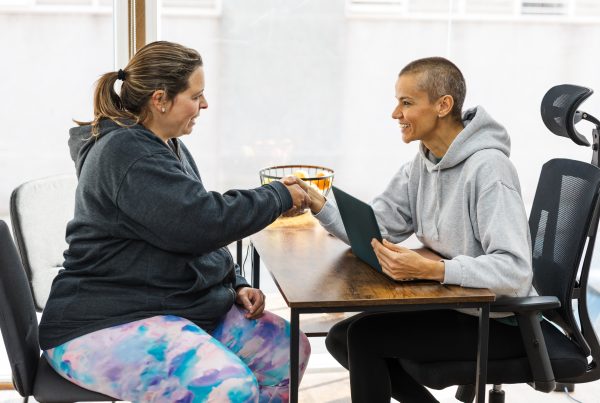
1. Initial Consultation and Health History Review: Your appointment will usually begin with a friendly conversation. Your exercise physiologist will ask about your medical history, any current conditions or medications, and what your daily routine looks like. They’ll also talk with you about how your disability affects your movement and the activities that matter most to you. This is your chance to share your experiences, ask questions, and talk about what you’d like to achieve.
2. Movement and Functional Assessments: From there, your AEP may guide you through a few gentle movement assessments. These help them understand your current strength, balance, flexibility, and mobility. Everything is done at your pace and adapted to suit your abilities, so you’ll never be pushed beyond what feels comfortable. If you’ve previously had a functional capacity assessment, your exercise physiologist may use that information to help guide the process.
3. Goal Setting Based on Your NDIS Plan: Once your AEP understands your current abilities, you’ll work together to set some meaningful goals. These goals are based on what you want to improve and how exercise can support your NDIS plan. For example, you might want to feel steadier when walking, build strength for daily tasks, or gain the confidence to participate in community activities.
4. Developing a Tailored Exercise Plan: Using everything they’ve learned about you, your exercise physiologist will create a personalised exercise plan. This plan is designed specifically for your abilities, goals, and environment, whether you prefer exercising at home, outdoors, or in a gym. As you progress, your program will continue to adapt and grow with you.
Personalised Exercise Programs for NDIS Participants
Every person’s needs and goals are different, which means no two exercise programs look the same. Your exercise physiologist will design a program that supports your body, builds your confidence, and helps you make steady progress over time.
During your sessions, you might experience:
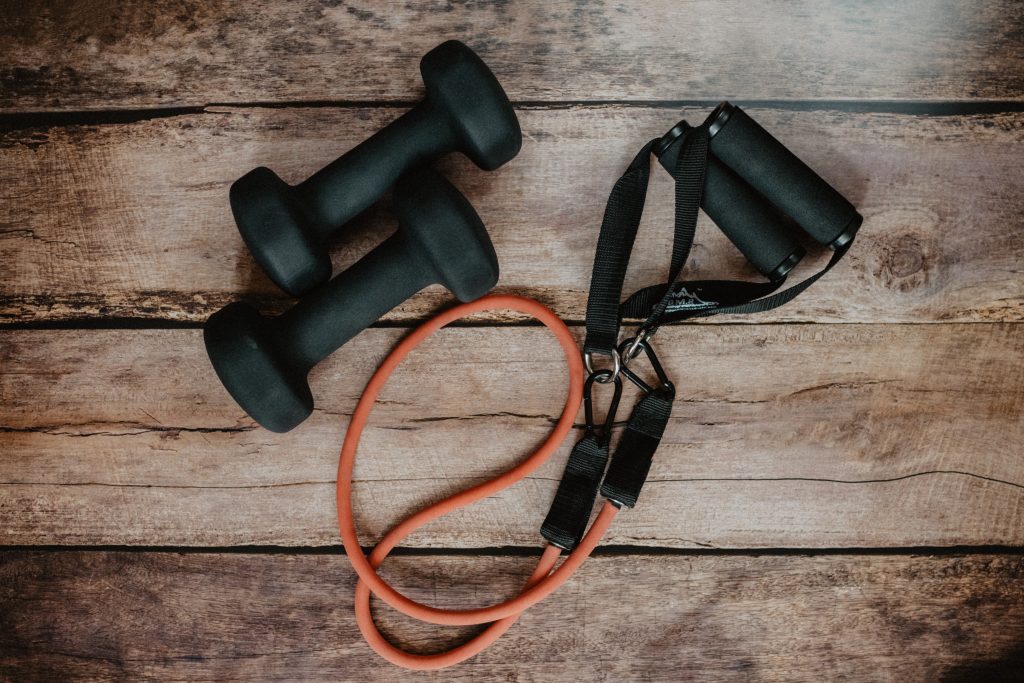
- Strength and Conditioning Programs: Strength exercises help build the muscles needed for everyday activities like standing up from a chair, carrying items, or climbing stairs. Depending on your abilities and preferences, this might involve bodyweight exercises, resistance bands, light weights, or simple equipment.
- Mobility and Flexibility Training: If stiffness or limited movement makes daily activities more difficult, your program may include gentle mobility and stretching exercises. These help improve your range of motion, reduce discomfort, and make movement feel easier and more natural.
- Balance and Coordination Exercises: For participants who experience balance challenges or are concerned about falls, balance training can make a big difference. Your exercise physiologist will guide you through safe exercises designed to improve stability and coordination, helping you feel more confident when moving around your home and community.
- Functional Training for Daily Living Skills: Functional exercises focus on the movements you use in everyday life, such as bending, reaching, stepping, and lifting. Practising these movements in a supportive environment helps build the strength and coordination needed to complete daily tasks more easily and independently.
Practical Tips for Getting the Most Out of Exercise Physiology
Exercise physiology can be life-changing, but like any health program, the more you engage with it, the more benefits you’ll see. Here are some practical tips to help you get the most out of your sessions.
- Setting Realistic and Meaningful Goals: The best goals are the ones that truly matter to you. Think about what would make a real difference in your daily life, whether that’s walking to the shops independently, playing with your children, or having the stamina to join a community group. Share these goals with your exercise physiologist so your program is built around what’s most important to you.
- Staying Consistent With Exercise Programs: Consistency matters more than intensity. Even short, regular sessions can lead to meaningful progress over time. Work with your AEP to create a routine that fits comfortably into your week. Start small if you need to; progress is progress, no matter how gradual.
- Tracking Progress and Celebrating Improvements: Your AEP will monitor your progress through regular reviews, but keeping your own record can also be motivating. Noticing small improvements, like increased strength, better balance, or more endurance, is encouraging. Celebrate every milestone, because each one is a step closer to your goals.
- Involving Family, Carers, and Support Workers: Your support network can make a big difference in your exercise journey. Involving family, carers, or support workers in your sessions can help reinforce what you’re learning and make it easier to stay on track between appointments. Your exercise physiologist can guide your support network on how to best assist you.
- Collaborative Care Within the NDIS Framework: Exercise physiology works best when it’s part of a broader, coordinated support plan. At Health Journey Partner, exercise physiologists collaborate with a multidisciplinary team of allied health professionals to ensure your care is holistic, consistent, and aligned with your NDIS goals.
- Integrating Exercise Physiology With Physiotherapy and Occupational Therapy: Depending on your needs, your exercise physiologist may work alongside a physiotherapist for hands-on rehabilitation or an occupational therapist to ensure your program supports daily living skills. This teamwork ensures every part of your health and function is considered, helping you achieve the best possible outcomes.
💡For tips on getting the most from your broader NDIS experience, visit our guide on NDIS goal setting.
Your Health Journey Starts Here
NDIS exercise physiology has the potential to be one of the most empowering parts of your NDIS plan. Whether you’re looking to build strength, improve your mobility, manage a chronic condition, or simply feel more confident in your body, the right support can help you get there.
At Health Journey Partner, we’re passionate about helping NDIS participants across Sydney and beyond take charge of their physical health and wellbeing. Our accredited exercise physiologists deliver personalised, evidence-based care directly to you, through mobile visits or secure telehealth sessions, so you can access high-quality support wherever you are.
You don’t have to do this alone. Let’s work together to build a plan that moves you forward.