
We’re often told that movement and exercise are the cornerstones of a healthy body and mind, and it’s true. But for many people living with disability, accessing safe, effective, and tailored exercise support isn’t always straightforward or easy.
As a recognised therapeutic support under the NDIS, exercise physiology offers a practical path to better health, mobility, and independence. It can help you move more comfortably, build strength, manage pain, and improve overall quality of life in a way that’s tailored to your individual needs and goals.
While the NDIS does include funding for services like NDIS exercise physiology, navigating the system can feel complex and overwhelming. Whether you’re just starting your NDIS journey or looking to get more out of your current plan, it’s not always easy to understand how funding works or what to expect from your sessions.
In this post, we outline the key things you need to know about NDIS exercise physiology, from what it is and what to expect during your appointment to how you can apply for NDIS funding.
What Is NDIS Exercise Physiology?
Put simply, exercise physiology is a specialised, science-backed approach to improving health, mobility, and quality of life through movement. Unlike general fitness, which focuses on overall well-being, exercise physiology uses targeted exercise programs as a therapeutic tool. It is especially effective for people living with disabilities, injuries, or chronic health conditions.
- Improved ability to move: Increase flexibility, mobility, and endurance to support day-to-day tasks.
- Pain management: Reduce chronic pain through targeted exercises tailored to your condition.
- Strength, balance, and stability: Build muscle, improve coordination, and reduce your risk of falls or injuries.
- Mental health support: Physical activity can lift mood, reduce anxiety, and improve self-esteem.
- Better long-term health: Manage chronic conditions like arthritis, diabetes, and heart disease more effectively.
- Greater independence: Gain strength and confidence to move more freely, achieve personal goals, and enjoy a more active, fulfilling life.
- Preventing secondary health issues: Exercise physiology is vital in helping you avoid health complications that often come with disability, like diabetes, obesity, and heart disease. Regular physical activity makes your heart stronger, speeds up metabolism, and boosts immune function.
Why It Matters for People With Disability
For people living with disability, personalised exercise programs can be especially effective. Whether you’re managing chronic pain, recovering from an injury, or living with conditions like multiple sclerosis, autism, Parkinson’s disease, or cerebral palsy, exercise physiology meets you where you’re at.
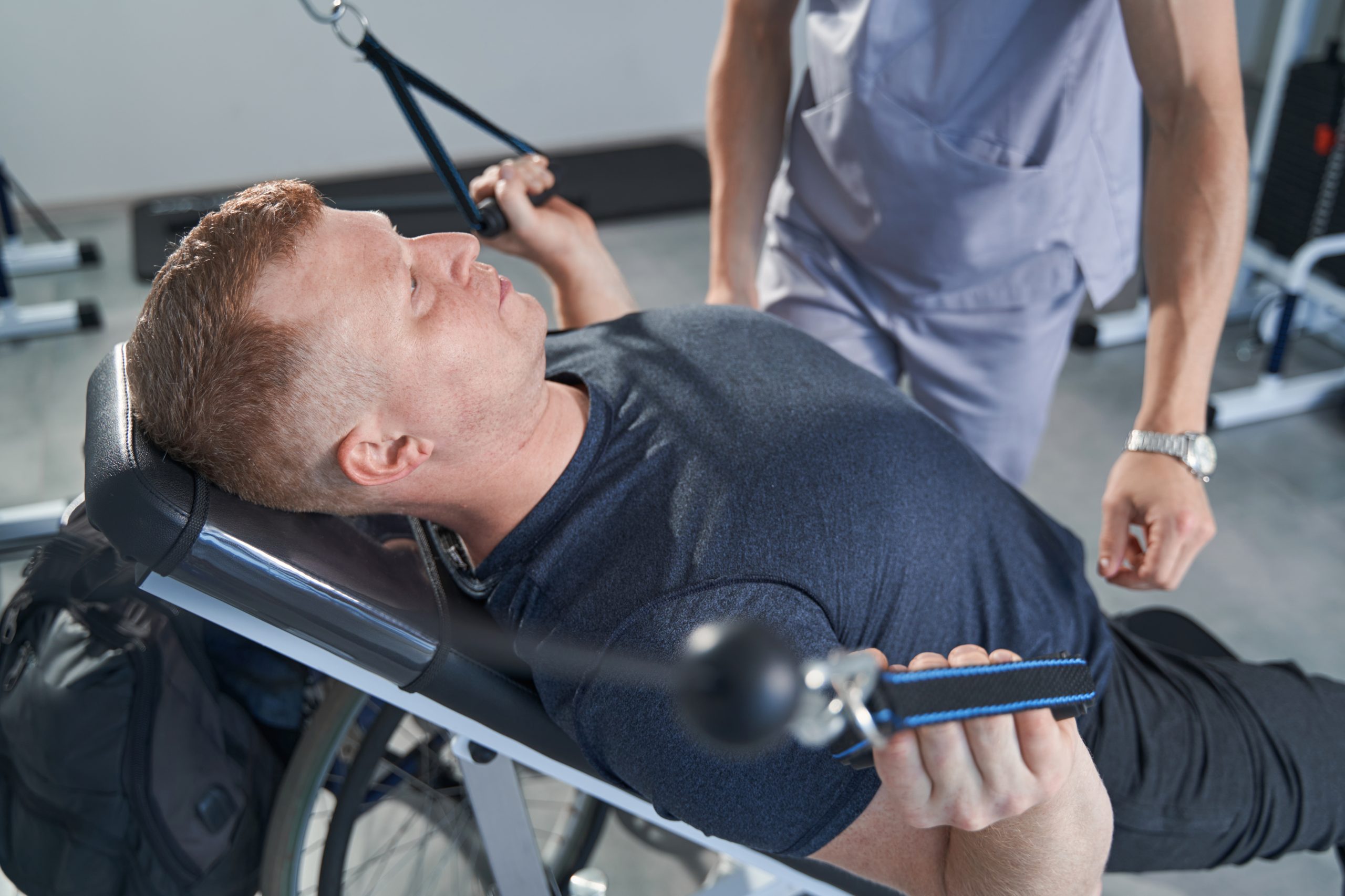
Participants don’t need to be able to run, lift weights, or even walk unassisted. Programs are adapted for wheelchair users, people with significant mobility limitations, or those who rely on mobility aids. The focus is always on what you can do safely and effectively to improve your health and independence.
How It Fits Into the NDIS
Under the NDIS, exercise physiology is funded through two key support categories: Improved Health and Wellbeing and Improved Daily Living. So, if you have funds allocated to these categories, you may be able to access tailored exercise physiology services as part of your plan. If you do not have funding allocated, but would like to include exercise physiology as a part of your NDIS plan, you can raise this during your next plan reassessment.
It is suitable for people of all ages and abilities, including individuals with conditions such as cerebral palsy, muscular dystrophy, autism, and spinal cord injuries; those recovering from stroke or injury; people managing chronic fatigue, mobility issues; and anyone looking to improve their physical function, health, and independence.
No matter your current ability level, a qualified exercise physiologist can tailor a program to help you take meaningful steps, however small, towards better health and a more active, fulfilling life.

How to Get Started With NDIS Exercise Physiology
Starting your journey with NDIS-funded exercise physiology is easier when you know what to look for and what steps to take. Here’s a simple guide to help you access the right support and get moving toward your health goals.
1. Understand What the NDIS Is (and If You’re Eligible)
The National Disability Insurance Scheme (NDIS) is designed to support Australians living with a permanent and significant disability. It provides funding for services that help you achieve your goals, build independence, and participate more fully in daily life.
You may be eligible for NDIS funding if:
- You are aged between 9 and 65
- You are an Australian citizen, permanent resident, or Protected Special Category Visa holder
- You have a permanent disability that significantly affects your ability to do everyday things
2. Check Your NDIS Plan for Exercise Physiology Funding
Exercise physiology services fall under the Improved Health and Wellbeing or Improved Daily Living categories of your plan. These supports are generally funded when they:
- Connect directly to your disability-related needs
- Align with your personal goals (e.g., improving mobility and endurance)
- Support your social and/or economic participation
- Offer good value for money
- Suit your unique situation and support requirements
If your current plan includes these categories, you’re likely already eligible to access services from an Accredited Exercise Physiologist (AEP).
Not Covered Yet?
If your plan doesn’t currently fund exercise physiology, don’t worry, you can request it at your next plan reassessment. Be prepared to explain how regular, tailored exercise can help you manage your disability, achieve your goals, and improve your overall well-being. Reports or letters from your GP, physiotherapist, or another allied health professional can strengthen your request.
3. Find the Right Exercise Physiology Provider
Once you’ve confirmed your funding, it’s time to find a provider who’s the right fit for you. You can:
- Use the NDIS Provider Finder tool
- Ask your Support Coordinator or Local Area Coordinator (LAC) for recommendations
- Search online or through local networks
When choosing a provider, look for:
- NDIS registration and credentials
- Experience with your specific condition or disability
- Accessible facilities if necessary (e.g., wheelchair access)
- A compassionate, person-centred approach
At Health Journey Partner, we bring years of experience in supporting people with disability and understand what it takes to connect you with the right supports. From your very first consultation, you can expect clear guidance, genuine care, and a stress-free onboarding process designed to make accessing services as easy and reassuring as possible!
4. Book Your Initial Appointment and Get Assessed
Your first session is all about getting to know you, your current physical condition, your health goals, and your daily challenges. Your exercise physiologist will perform a thorough assessment and create a personalised exercise plan designed just for you.
Before starting, you’ll usually need to provide:
- A referral or health summary (if available)
- Your NDIS participant details, including funding categories and available hours
- Any relevant documentation from your plan or support coordinator
- Consent to share progress reports for plan reviews (where needed)
Many providers offer an initial consultation at no cost, so you can discuss your goals, ask questions, and decide whether the provider is the right fit before committing to ongoing sessions.

Inside a Typical Exercise Physiology Session
Starting something new can feel a little overwhelming, but getting started is the hardest part! Understanding how the process works not only helps ease any nerves but also builds confidence as you begin your journey toward better health and mobility.
Your initial appointment generally runs for 60 minutes and lays the foundation for your program. During this session, your Exercise Physiologist will take the time to truly understand your unique needs. Here’s what you can expect:
- A discussion about your health history and current condition, including how it impacts your daily life
- A few physical assessments to gauge your current strength, mobility, balance, and endurance
- A conversation about your personal goals and what you’d like to achieve through the program
- Clarification of your NDIS funding, support needs, and service agreement, including how often sessions will take place
This first session is about building trust, gathering information, and setting a clear direction for your care moving forward.
The Types of Exercises You Might Do
Every exercise physiology program is tailored, meaning the exercises you do will be specific to your body, goals, and condition. Some of the common types of activities used in NDIS exercise physiology sessions include:
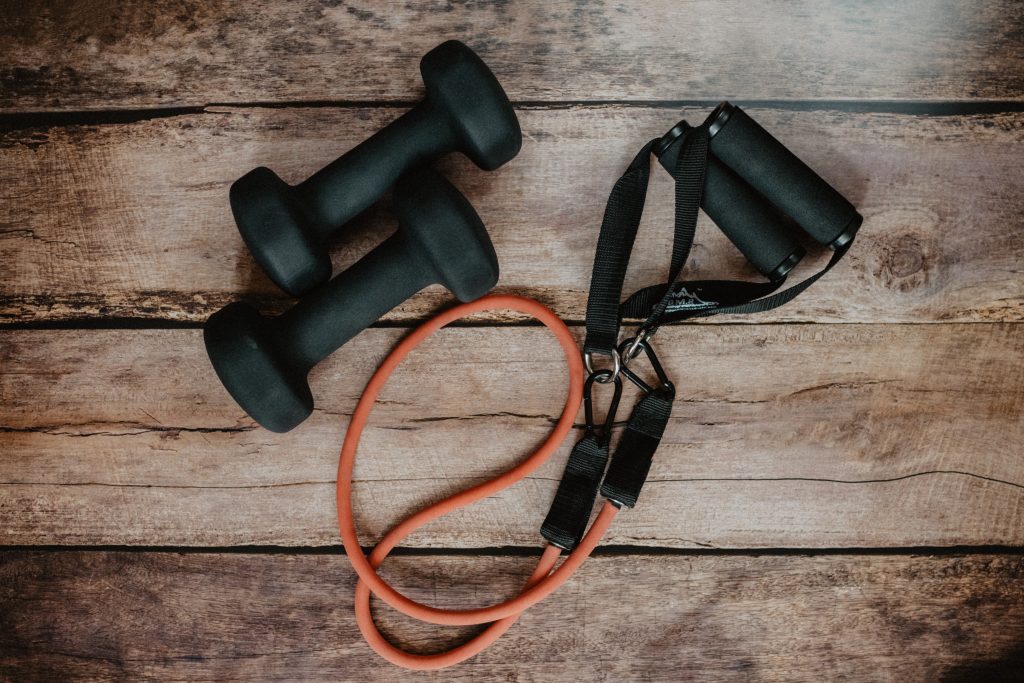
- Resistance training using body weight, resistance bands, or light weights to build strength and muscle mass
- Flexibility exercises to improve your range of motion and reduce stiffness
- Core and endurance training often using Pilates-style movements to improve stability and support
- Cardiovascular activity such as walking, cycling, or hydrotherapy to improve heart and lung function
- Balance and coordination work to help reduce the risk of falls and build confidence in movement
- Functional movement training that focuses on real-life tasks like reaching, bending, sitting, or getting in and out of vehicles
- Breathing and relaxation techniques to support calmness, reduce fatigue, and improve control during physical activity
How Sessions Are Tailored to Your Needs
There’s no one-size-fits-all approach when it comes to exercise physiology. Your exercise physiologist carefully adjusts each session based on your condition, energy levels, physical ability, and goals.
Your plan is built around you.
As you progress, your exercise physiologist will continually assess your improvements in strength, mobility, and functional capacity. This allows your program to evolve with you, keeping it effective and aligned with your changing needs.
Common Challenges and How to Overcome Them
It’s completely normal to face challenges. The good news? You’re not alone, and your exercise physiologist is here to support you every step of the way.
1. Fear, Motivation, or Discomfort Around Exercise
If the thought of exercising makes you feel anxious or uncertain, you’re not alone. Many people, especially those with a history of injury, pain, or negative experiences, feel hesitant when getting started. Exercise physiologists are trained to meet you exactly where you’re at, without judgment.
They’ll help you:
- Set small, achievable goals that build confidence at your own pace
- Modify or adjust movements to reduce discomfort
- Focus on positive reinforcement and celebrate every bit of progress
- Offer regular check-ins to keep you feeling supported and motivated
Your program is meant to work with you, not against you. By sharing how you’re feeling and what you’re experiencing, your exercise physiologist can make adjustments to keep your sessions safe, effective, and empowering.
2. Accessibility or Transport Issues
Getting to a clinic isn’t always easy, especially when mobility, energy levels, or transport options are limited. But that shouldn’t be a barrier to accessing quality care.
Many NDIS exercise physiology providers offer mobile services, bringing sessions to your home, workplace, or local community centre. This means you can work in an environment where you feel safe and comfortable, without the stress of travel.
Exercise physiologists are also highly skilled at adapting programs for people who use mobility aids or need low-impact alternatives. Home-based routines often use minimal equipment but are still effective in helping you achieve your goals.
3. Lack of Confidence or Knowledge
If you’ve never exercised before, or it’s been a while, you might feel unsure about how to move safely or whether you’re capable of making progress. That’s okay. Your exercise physiologist is there to guide you every step of the way, offering clear instruction, ongoing support, and education to help you build both skills and confidence.
You’ll learn:
- How to perform exercises with proper technique
- Why specific movements support your health goals
- How to recognise progress and feel proud of your achievements
Each small win builds momentum. Whether it’s standing for a little longer, walking with more stability, or feeling stronger day-to-day, every step forward is a reminder that you’re capable!

Making The Most Out Of Exercise Physiology
To get the best possible outcomes from your NDIS-funded exercise physiology sessions, it’s important to be active, informed, and involved in your care. With the right approach, your program can deliver powerful improvements in your independence, mobility, and overall well-being.
Set Clear, Measurable Goals
Every successful program starts with clear, functional goals that align with your NDIS plan. The NDIS funds outcomes that help you work toward your personal goals and dreams. That’s why it’s important to define what you want to achieve, not just what services you want to access.
Your exercise physiologist can support you in:
- Creating goals that reflect real-life improvements, like “increasing standing tolerance to improve mobility at home,” rather than simply “getting stronger”
- Setting measurable targets to track progress (e.g., walking distance and speed)
- Linking exercise goals directly to broader NDIS objectives
Keep the Conversation Going
Good communication is key to long-term success. Your program should evolve with you, and that means talking openly about what’s working, what isn’t, and any barriers you may be facing.
Regular check-ins with your exercise physiologist help fine-tune your plan and ensure you’re always moving forward. Don’t be afraid to share how you’re feeling, ask questions, or suggest adjustments—your input helps shape a program that works for you.
Track Progress and Be Flexible
NDIS plans are designed to be flexible and responsive to your changing needs. Many participants review their plan every 12 months to reflect on what’s working and what might need to shift. Tracking your progress helps you make the most of each review and ensures your supports continue to serve you well.
Work Together With Your Support Network
Your support doesn’t stop with your exercise physiologist. Coordinating with your broader team, including support coordinators, plan managers, carers, family members, and other allied health professionals, helps ensure your care is consistent, collaborative, and aligned with your goals.
At Health Journey Partner, we maintain strong communication with your support network to keep everyone on the same page and working together.

Key Takeaways
Exercise physiology is a fantastic part of the NDIS that can help you move towards greater independence and enjoy a better quality of life. We know that getting started with the NDIS can feel a bit overwhelming, but you don’t have to do it alone.
At Health Journey Partner, we believe exercise should fit you, your needs, your goals, and your lifestyle. Whether you’re bouncing back from an injury, managing a long-term disability, or just want to feel stronger and more mobile, our friendly exercise physiologists are here to support you every step of the way.
We’ll work with you to create personalised plans based on thorough assessments, making sure you get the right support through your NDIS plan. Together, we’ll help you move better, feel more confident, and make real progress toward your goals. Get started today!